Understanding My Insurance Portal: How Policyholders Manage Coverage in Saudi Arabia

Navigating the Digital Shift: A Comprehensive Guide to My Insurance Portals in Saudi Arabia
The landscape of the Saudi Arabian insurance sector has undergone a radical transformation over the past decade. Driven by the ambitious goals of Vision 2030, the Kingdom has shifted from a paper-heavy, bureaucratic system to a streamlined, digital-first environment. For policyholders, the centerpiece of this evolution is the “My Insurance” portal—a digital gateway that simplifies the complex task of managing health, motor, and protection insurance. Whether you are a Saudi national or an expatriate, understanding how to navigate these portals is no longer just a convenience; it is a necessity for modern living in the Kingdom.
The Dawn of InsurTech in the Kingdom






Not too long ago, managing an insurance policy in Saudi Arabia involved physical visits to branch offices, long queues, and a mountain of paperwork. Today, the Saudi Central Bank (SAMA) and the Council of Health Insurance (CHI) have paved the way for an integrated ecosystem. Most insurance providers now offer centralized portals or mobile applications—often colloquially referred to under the umbrella of “My Insurance”—that connect directly with national platforms like Absher and Tawakkalna.
This shift is part of a broader move toward “InsurTech,” where technology meets financial services. By consolidating data, these portals allow users to see their coverage status, renewal dates, and claim histories in real-time. The goal is transparency: the government wants every resident to know exactly what they are covered for and to ensure that insurance companies are upholding their end of the bargain.
Key Features of Your Digital Insurance Portal
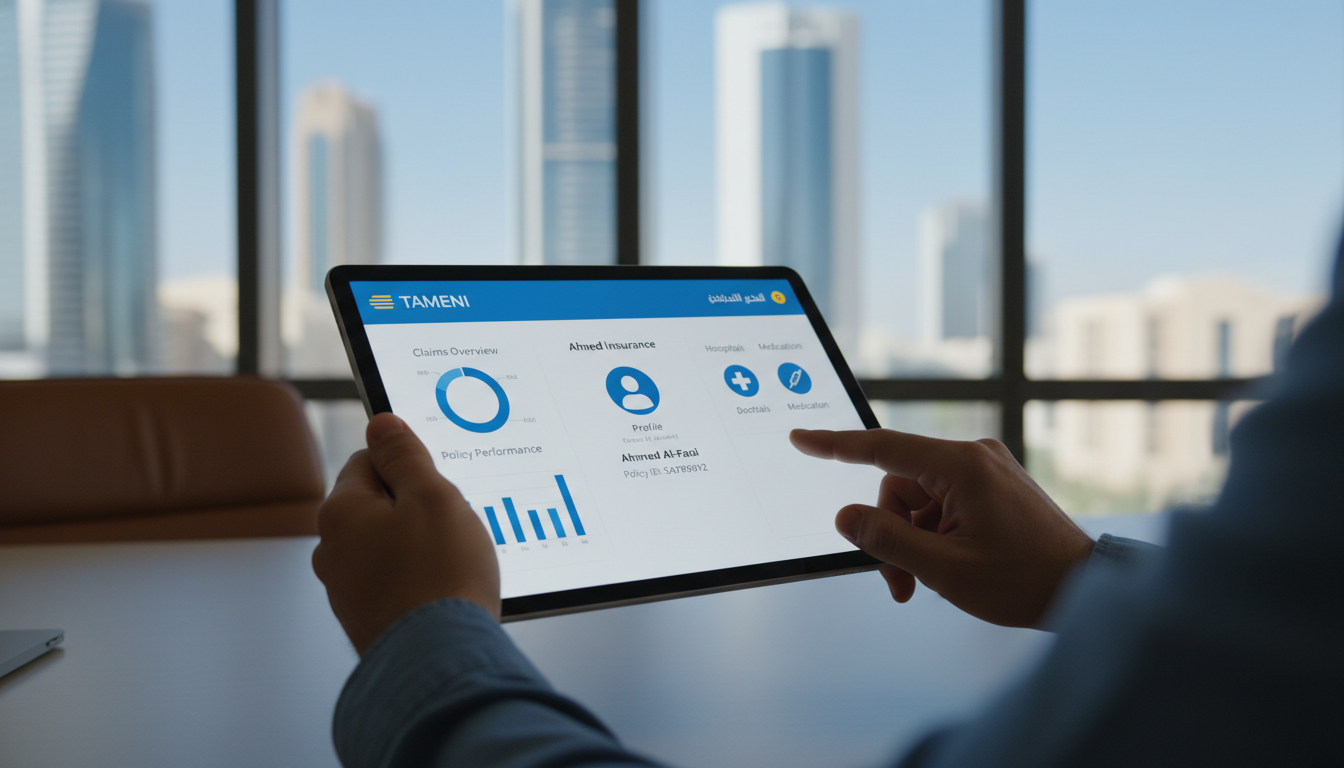
When you log into your insurance portal, you are greeted by a dashboard that serves as your financial command center. But what exactly can you do there? Let’s break down the core functionalities.
1. Centralized Policy Management
Gone are the days of carrying a physical insurance card in your wallet. The portal displays a digital version of your policy, which is legally recognized by healthcare providers and traffic authorities (Najm/Muroor). You can view the start and end dates of your coverage, ensuring you never face a lapse that could lead to fines or a lack of medical care.
2. Network Identification and Health Management
For health insurance, the portal provides a geo-tagged list of medical providers. Policyholders can search for hospitals, clinics, and pharmacies that are within their specific network (e.g., VIP, Class A, or B). This prevents the common frustration of arriving at a hospital only to find out your insurance isn’t accepted there.
3. Real-Time Claims Tracking
Perhaps the most significant benefit is the ability to file and track claims. If you have paid for a service out of pocket and are seeking reimbursement, you can upload receipts directly through the app. The portal provides updates on whether the claim is “Under Review,” “Approved,” or “Paid,” eliminating the need for repetitive phone calls to customer service.
Integration with National Identity
One of the unique aspects of the Saudi insurance experience is its deep integration with the National ID (for citizens) and Iqama (for residents). When you purchase a car or renew a residency permit, the systems check for valid insurance automatically via the “MInD” (Insurance Data Exchange) platform.
When you log into a portal, you often use the National Single Sign-On (Nafath). This high level of integration ensures that your insurance data is securely linked to your legal identity. It also means that if you add a dependent to your family, their insurance status can be updated and viewed instantly on your main dashboard.
Motor Insurance and the Najm Connection
For vehicle owners, the portal is indispensable. Through the integration with Najm for Insurance Services, policyholders can manage accident reports and liability. If you are involved in a minor accident, the data flows from the accident report directly into your insurance portal, where you can initiate the repair process. Furthermore, the portal often provides a “No-Claims Discount” (NCD) certificate, which proves you are a safe driver and allows you to secure lower premiums when switching providers.
Transparency and Consumer Protection
The Saudi Central Bank (SAMA) has implemented strict regulations to ensure that these portals are not just marketing tools, but functional assets for the consumer. Policyholders can use the portals to file complaints directly. If an insurance company unfairly denies a claim or provides poor service, the trail of digital evidence within the portal serves as a record for regulatory bodies to review. This has significantly increased the accountability of insurance companies in the KSA market.
The Benefits of Going Digital
Why should you embrace these portals instead of traditional methods? The reasons are multifaceted:
- Efficiency: Tasks that took days now take minutes. Renewing a motor policy can be done entirely on a smartphone while waiting for coffee.
- Cost-Effectiveness: Many providers offer “online-only” discounts because digital transactions reduce their overhead costs.
- Organization: Having all your documents (medical, motor, home, and travel insurance) in one place reduces the risk of losing important information.
- Health Tracking: Some advanced portals now integrate with wearable devices, offering lower premiums for users who maintain a healthy lifestyle, effectively gamifying wellness.
Common Challenges and How to Overcome Them
While the system is robust, users occasionally face hurdles. The most common issue is a delay in data synchronization between the insurance company and the CHI/SAMA databases. If you find your insurance isn’t showing up on Absher, the first step is to check your insurance portal. Most portals have a “Refresh Data” or “Sync with National ID” button that can resolve these discrepancies instantly.
Another tip is to always keep your contact information—specifically your mobile number—updated. Since the portals use Two-Factor Authentication (2FA) via SMS, an outdated phone number can lock you out of your account at a critical moment.
Conclusion: The Future of Coverage
Understanding your insurance portal is the key to navigating life in Saudi Arabia with peace of mind. As the Kingdom moves toward a more data-driven economy, these portals will only become more sophisticated, likely incorporating Artificial Intelligence to predict health risks or offer personalized coverage based on driving habits.
By taking the time to explore the features of your “My Insurance” portal today, you are not just managing a policy; you are taking control of your financial and physical well-being. The digital infrastructure is there—it is now up to the policyholder to use it to its full potential. Stay covered, stay digital, and enjoy the streamlined future of Saudi Arabia.