Home and Auto Insurance Options in Portugal: A Complete Consumer Guide

Sun-drenched terraces, the rhythmic sound of the Atlantic surf, and the irresistible aroma of freshly baked pastel de nata—it is no wonder that Portugal has become a top destination for expatriates and digital nomads alike. However, behind the idyllic lifestyle lies the pragmatic necessity of navigating Portuguese bureaucracy, specifically when it comes to protecting your most valuable assets. Whether you are purchasing a villa in the Algarve or driving a sleek sedan through the cobblestone streets of Lisbon, understanding the local insurance landscape is crucial.
In this comprehensive guide, we will break down everything you need to know about home and auto insurance in Portugal, ensuring you stay compliant with the law while securing the best possible coverage for your needs.
Navigating the Portuguese Auto Insurance Market
In Portugal, auto insurance is not just a suggestion; it is a legal requirement. Any motor vehicle circulating on public roads must have at least a minimum level of third-party liability insurance, known as Responsabilidade Civil. This ensures that if you are involved in an accident, any damage or injury caused to third parties is covered.
#
1. The Minimum Requirement: Responsabilidade Civil
The standard legal minimum for third-party liability in Portugal is currently €50,000,000. While this sounds like a massive sum, it is the standard across the European Union to cover catastrophic accidents. This basic level covers damage to other vehicles, public property, and injuries to pedestrians or other drivers. However, it does not cover your own vehicle or your own injuries if you are at fault.
#
2. Comprehensive Coverage: Danos Próprios
If you have a newer car or simply want peace of mind, you should look for Danos Próprios (Own Damage) insurance. This is the Portuguese equivalent of ‘comprehensive’ or ‘fully comp’ insurance. It typically covers theft, fire, vandalism, and damage to your own vehicle, even if you are at fault. Many policies also include ‘Quebra de Vidros’ (Glass Breakage) as a standard or low-cost add-on, which is highly recommended given the gravelly nature of some rural Portuguese roads.
#
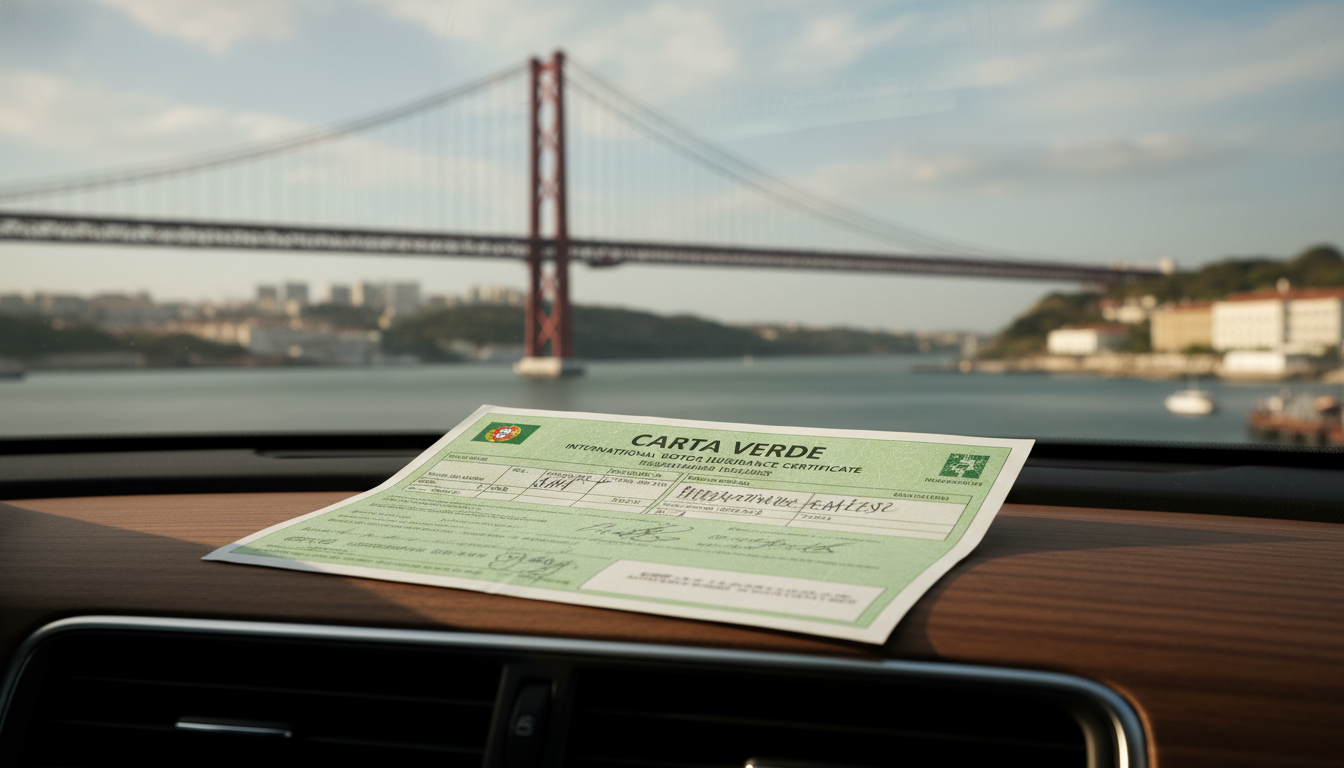
3. The ‘Green Card’ (Carta Verde)
When you insure a car in Portugal, you will receive a green document known as the Carta Verde. This is proof of insurance and is recognized across the EU. You must keep this in your vehicle at all times, as the police will ask for it during any routine traffic stop.
Home Insurance in Portugal: Protecting Your Sanctuary
Home insurance in Portugal is divided into two main types: fire insurance and multi-risk insurance. Understanding which one you need depends largely on whether you are an owner, a tenant, or a mortgage holder.
#
1. Mandatory Fire Insurance (Seguro de Incêndio)
If you own a property in a building (horizontal property), fire insurance is legally mandatory for each autonomous unit. It covers the risk of fire damage to the building’s structure. If you have a mortgage, your bank will insist on this as a minimum, but they will usually push for a more comprehensive ‘Multi-risk’ policy.
#
2. Multi-Risk Insurance (Multirriscos Habitação)
This is the most common form of home insurance for residents. Beyond just fire, a Multirriscos policy typically covers:
- Floods and water damage (common in older Portuguese apartments).
- Theft and robbery.
- Electrical risks (surges that fry your appliances).
- Civil liability (e.g., if a pipe in your apartment leaks and damages your neighbor’s ceiling).
- The No-Claims Bonus (Bónus-Malus): Portugal uses a rigorous bonus-malus system for auto insurance. If you have a clean driving record, you can see discounts of up to 50% or more over time. If you are moving from another EU country or the UK, ask your previous insurer for a ‘no-claims certificate’ in English or Portuguese; many Portuguese insurers will honor your foreign driving history.
- Location: Insuring a car in a high-traffic area like Porto or Lisbon will be more expensive than in the Alentejo. Similarly, home insurance premiums may rise if your property is in a high-risk flood zone or a high-crime urban area.
- Age and Experience: Drivers under 25 and those with less than two years of experience face significantly higher premiums.
#
3. Contents Insurance
If you are renting an apartment, you are not responsible for insuring the structure of the building—that is the landlord’s job. However, you should strongly consider a contents-only policy. Portuguese landlords rarely provide insurance for a tenant’s personal belongings, so if a burglary or a flood occurs, your electronics and furniture would not be covered without your own policy.
Factors Influencing Your Premiums
Insurance providers in Portugal, such as Fidelidade, Allianz, and Liberty Seguros, use several factors to calculate your premiums:
How to Save Money and Avoid Pitfalls
1. Bundle Your Policies: Many insurers offer significant discounts if you bundle your auto, home, and health insurance together. This is often the easiest way to shave 10-15% off your total bill.
2. Pay Annually: Monthly installments often come with hidden interest or administrative fees. If your budget allows, paying the full annual premium upfront is almost always cheaper.
3. Review Your ‘Capital Segurado’: For home insurance, ensure the ‘Capital Segurado’ (insured value) reflects the cost to rebuild the property, not the market value. Market values include the price of the land, which doesn’t need to be insured against fire or theft.
4. Check the Deductibles (Franquias): A higher deductible (the amount you pay out of pocket) will lower your premium. If you are a safe driver or own a sturdy home, increasing your deductible can be a smart financial move.
The Claims Process and Consumer Rights
In the event of a car accident, the most important tool at your disposal is the Declaração Amigável de Acidente Automóvel (Amicable Accident Declaration). Both drivers should fill this out, sign it, and send it to their respective insurers. If there is a dispute or the other party refuses to sign, call the police (112 or the local PSP/GNR) immediately.
All insurance activities in the country are regulated by the Autoridade de Supervisão de Seguros e Fundos de Pensões (ASF). If you feel you have been treated unfairly by an insurance company, you have the right to file a formal complaint in the ‘Livro de Reclamações’ (Complaint Book), which all companies are legally required to provide.
Final Thoughts
Navigating insurance in a new country can feel like a daunting task, but in Portugal, the market is competitive and generally consumer-friendly. By understanding the difference between mandatory requirements and optional ‘peace of mind’ coverages, you can tailor a plan that fits your lifestyle and budget. Whether you’re cruising down the A22 or enjoying a sunset from your balcony, having the right insurance allows you to embrace the Portuguese ‘dolce vita’ with total confidence.